
What are the most common myths about casinos?
Casting Light on Casino Myths
Casinos have long been surrounded by a veil of mystery and misconceptions. One of the most pervasive myths is that casinos are designed to trick players into losing their money. While it’s true that casinos are businesses aiming for profit, the gaming industry operates under strict regulations that ensure fair play. These regulations mandate transparency in game odds and strategies, thereby ensuring that players are aware of their chances. Many enthusiasts seek to improve their knowledge and skills, often choosing to explore the scope at Winningz for insights and strategies that can enhance their gaming experience. In reality, the odds of winning or losing in various games are meticulously calculated and displayed, offering players a fair chance.
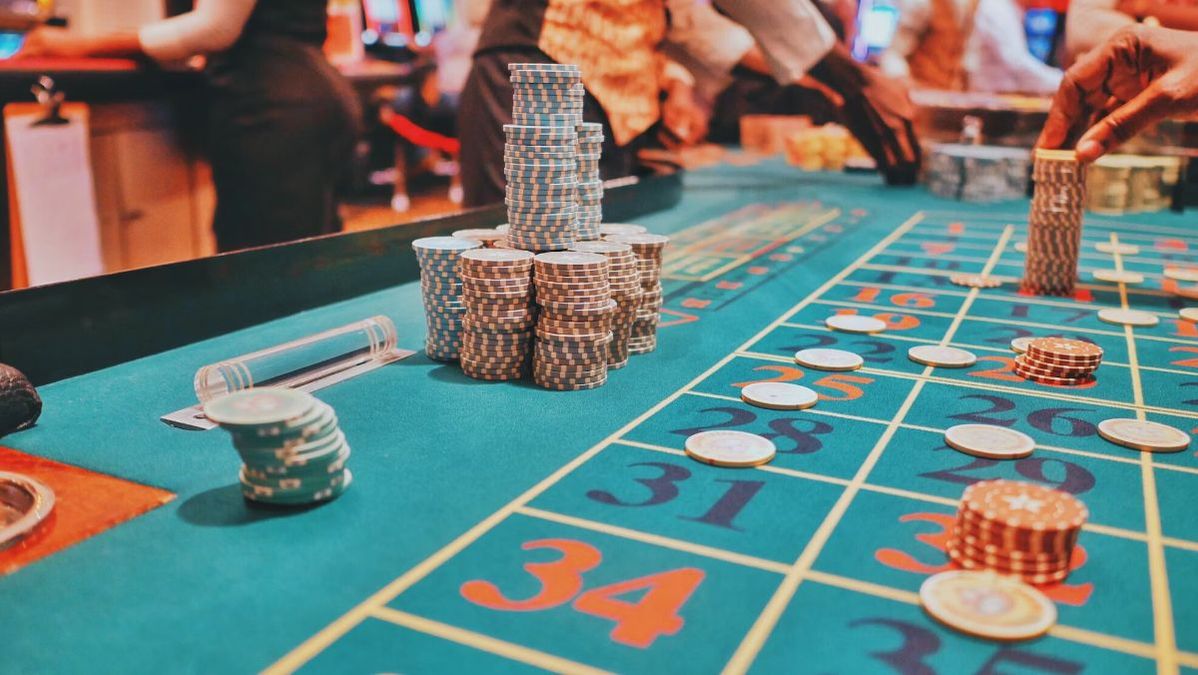
Another myth is that casinos employ psychological tricks to manipulate players’ emotions and behaviors. While casinos do use design elements to create an inviting atmosphere—such as ambient lighting, sound, and layout—the notion that they deliberately control player emotions is exaggerated. The psychology of play is complex; players are naturally inclined to return to familiar environments where they have experienced wins. The ambiance may enhance this feeling, but it doesn’t mean that players are unwitting pawns in a game set up against them.
Additionally, the common belief that certain machines or tables are “hot” or “cold” is misleading. Players often gravitate toward machines that have recently paid out in hopes of striking a similar fortune. However, each game operates on random number generators, meaning that past outcomes do not influence future results. The idea that a slot machine is due for a payout because it hasn’t paid out recently is simply not grounded in reality.
Understanding House Edge and Odds
The house edge is a term often misunderstood by novice gamblers. Many believe that the house edge is a set margin that guarantees losses, leading them to think they should avoid games with a high house edge. However, the house edge simply represents the statistical advantage that the casino has over the players in each game. This edge varies significantly across different games, and understanding it can help players make informed choices. For instance, table games like blackjack often have a lower house edge compared to slot machines, meaning players have a better chance of winning in the long run.
Moreover, the belief that some players can consistently outsmart the house is another myth. While strategies exist that can improve a player’s odds, casino games are fundamentally designed around chance. Professional players may use various techniques or strategies, but the randomness of the games means that even the best strategies cannot guarantee success every time. This myth can lead to disillusionment when players believe they can always beat the odds.
Lastly, there’s a misconception about betting systems that promise to recover losses. Many players have fallen victim to betting systems that claim you can always win back your losses by increasing your bets after a loss. While this can lead to short-term wins, it often results in much larger losses over time. Casinos know that gambling is inherently risky, and they design their games to reflect that reality, making it crucial for players to gamble responsibly and within their limits.
The Impact of Luck and Skill
The age-old debate about luck vs. skill in gambling is rife with myths. Many believe that luck plays the sole role in casino games, particularly in games like slots or roulette. While luck is undeniably a significant factor, the reality is that skill also plays a crucial role in certain games. Take poker, for example; players can influence the outcome through strategies, bluffing, and reading other players. This distinction is often misunderstood, leading many to avoid games where skill could provide an advantage.
Conversely, some players overestimate their ability to control outcomes in games they deem skill-based. They may assume they can consistently win at blackjack or poker due to their knowledge of strategies. However, even skilled players face the unpredictability of chance. The key is to balance skill and luck and to recognize that no player can influence every aspect of the game.
Additionally, the notion that luck can be manipulated is another fallacy prevalent in casino culture. Players often seek patterns or trends in games, believing they can predict outcomes based on previous results. While human nature naturally seeks patterns, casino games, particularly those utilizing random number generation, do not adhere to any such predictability. Understanding this can help players approach gambling with a clearer mindset, reducing frustration and disillusionment.
Exposing the Myths of Winning Strategies
There’s a prevalent myth that certain strategies or tips can guarantee wins in casino games. Many players enter casinos armed with strategies they’ve read or heard about, convinced that they will lead to success. While some strategies can indeed enhance player decisions, such as determining when to hit or stand in blackjack, they do not ensure victories. Every game, particularly those involving chance, carries a risk that can’t be completely mitigated by strategy.
Furthermore, the belief that there are “secret” tricks or systems that can assure wins fosters unrealistic expectations. Some players often feel frustrated after employing these strategies without realizing the inherent risks associated with gambling. The reality is that while strategies can improve one’s odds, no method can eliminate the house edge. Players who embrace this understanding can focus on enjoyment rather than solely on winning.
Moreover, the allure of winning big can cloud players’ judgment, leading them to believe that they are more likely to strike it rich than they are. This can result in chasing losses or engaging in irresponsible gambling behavior. It’s essential to approach casino games as forms of entertainment rather than as guaranteed avenues to wealth, which can help create a healthier gambling mindset.
Where to Learn More About Casinos
Understanding casinos and the various myths that surround them can significantly enhance your gambling experience. Many websites and resources are dedicated to providing players with factual information about casino games, strategies, and responsible gambling practices. By educating yourself, you can better navigate the complexities of the casino environment while having fun.
Furthermore, many forums and communities exist where players share their experiences and insights. Engaging with these communities can offer first-hand perspectives that both entertain and educate. Players can learn from others’ successes and failures, gaining a well-rounded understanding of what to expect in the casino world.
Ultimately, the key to enjoying casinos lies in dispelling myths and misconceptions. With a firm understanding of how games operate and the role of luck and skill, players can approach their casino adventures with confidence. This knowledge not only enriches your gaming experience but also helps in making informed decisions and setting realistic expectations.
